My Product Design Process
My Product Design Process
Before we dive deeper into my product design process, I want to show you my point of view. I think there is no ideal design process that every designer must follow.
Here's why:
1. The process depends on the project's scope, company, budget, team, deadlines... and many other factors.
2. As long as you finally get to the desired result (a product that converts and satisfies the users' needs, matching your budget and deadlines) it doesn't really matter what process you followed. There is no right and wrong path in this scenario.
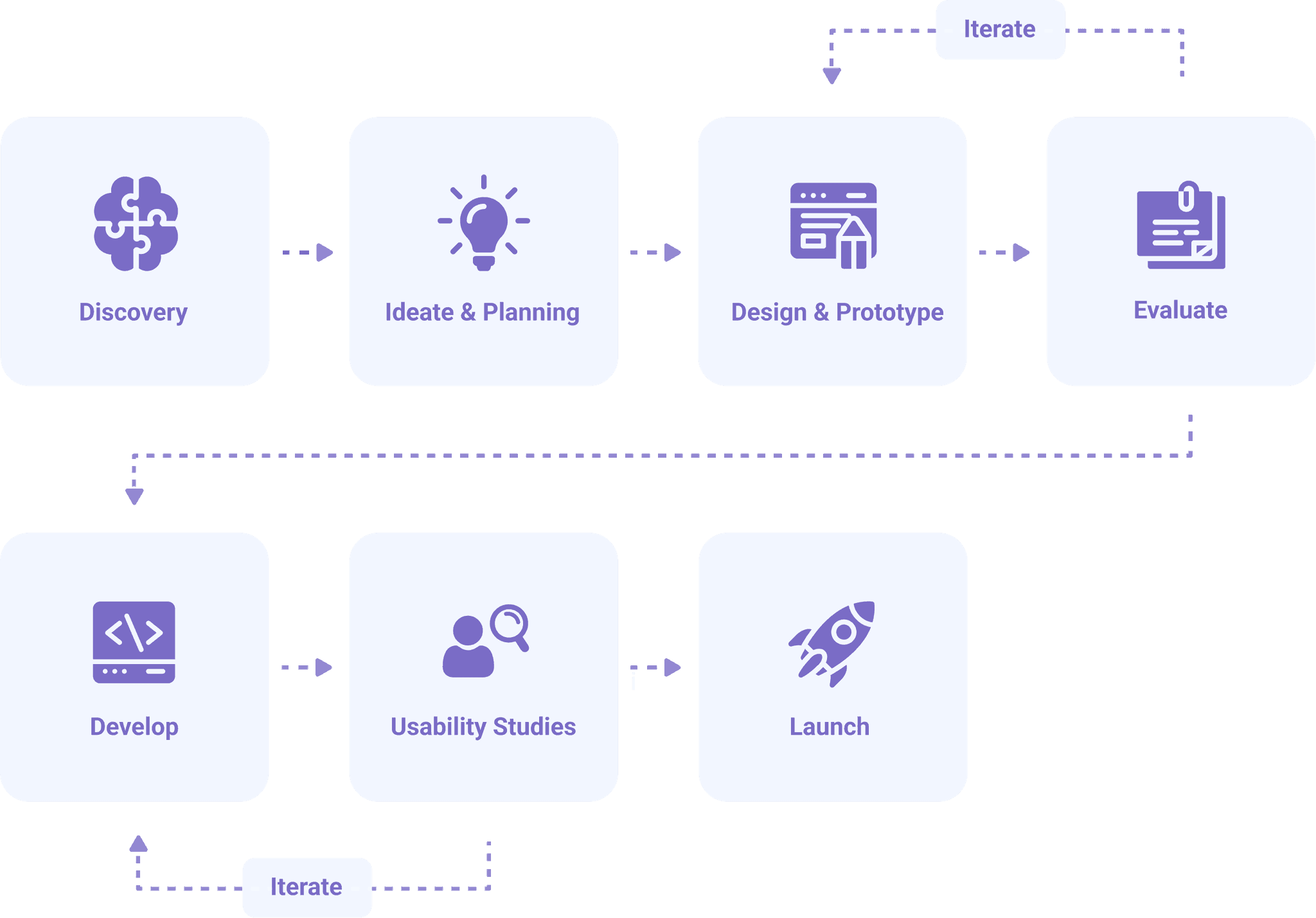
This is the process I usually follow when designing experiences.
Before we dive deeper into my product design process, I want to show you my point of view. I think there is no ideal design process that every designer must follow.
Here's why:
1. The process depends on the project's scope, company, budget, team, deadlines... and many other factors.
2. As long as you finally get to the desired result (a product that converts and satisfies the users' needs, matching your budget and deadlines) it doesn't really matter what process you followed. There is no right and wrong path in this scenario.
This is the process I usually follow when designing experiences.
1. Discovery
1. Discovery
The first step in every project is to listen, learn and understand. Understanding the root problem is the key factor in finding a successful solution. This is accomplished by analyzing the existing application (if there is one), speaking with Product Owners, stakeholders, and most importantly the end-user.
Communicating with the end-users and understanding their business needs will help you build empathy. Who they are, what are their frustrations, how do they interact with similar products, and finally what are they wanting to accomplish?
• User Interviews
• 1-on-1 with Product Owners
• Clearly Defining Problem
• Defining Requirements
• User Personas
• Competitor analysis
• Market research
• UX Workshops
The first step in every project is to listen, learn and understand. Understanding the root problem is the key factor in finding a successful solution. This is accomplished by analyzing the existing application (if there is one), speaking with Product Owners, stakeholders, and most importantly the end-user.
Communicating with the end-users and understanding their business needs will help you build empathy. Who they are, what are their frustrations, how do they interact with similar products, and finally what are they wanting to accomplish?
• User Interviews
• 1-on-1 with Product Owners
• Clearly Defining Problem
• Defining Requirements
• User Personas
• Competitor analysis
• Market research
• UX Workshops

2. Ideate & Planning
2. Ideate & Planning
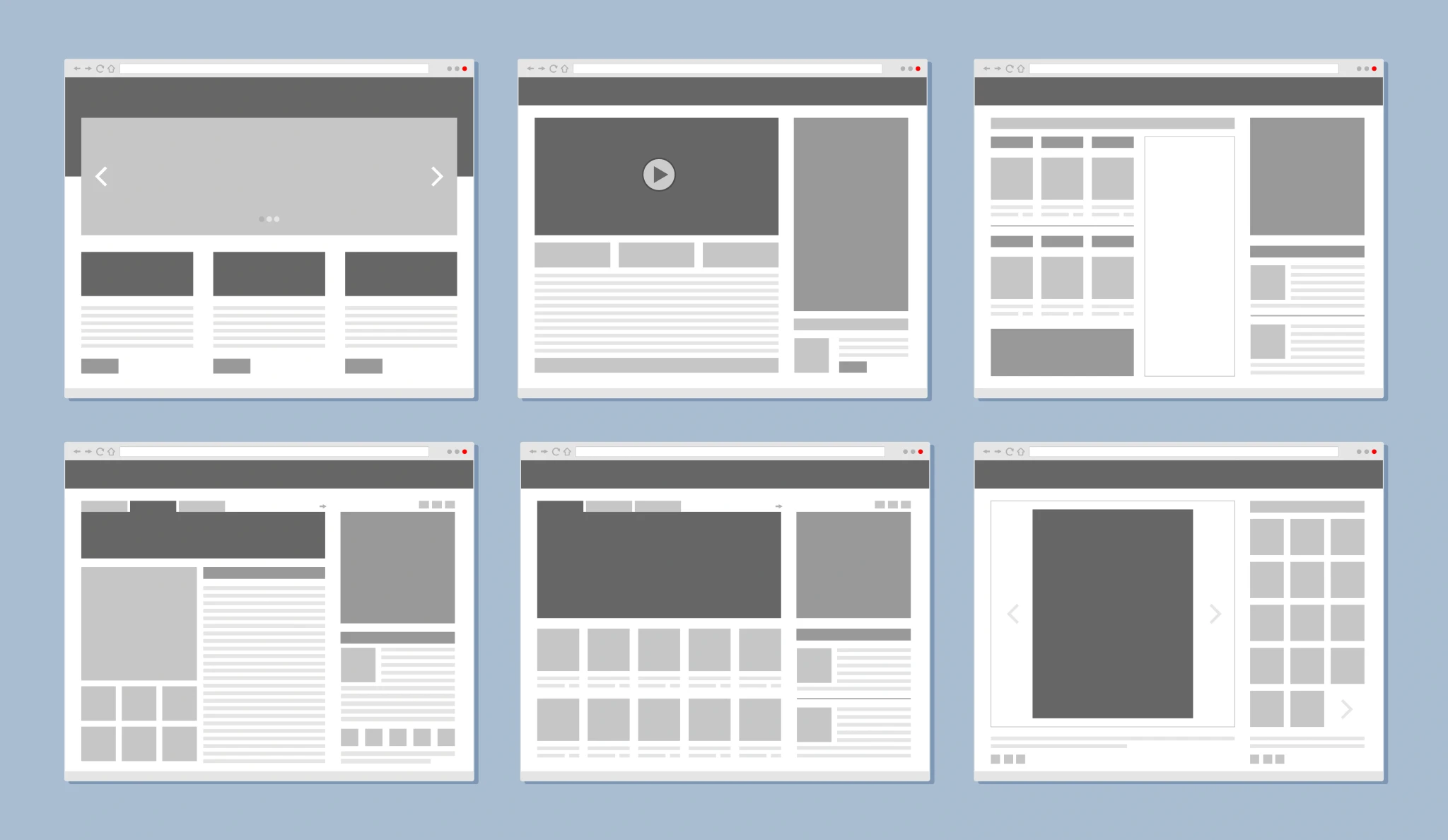
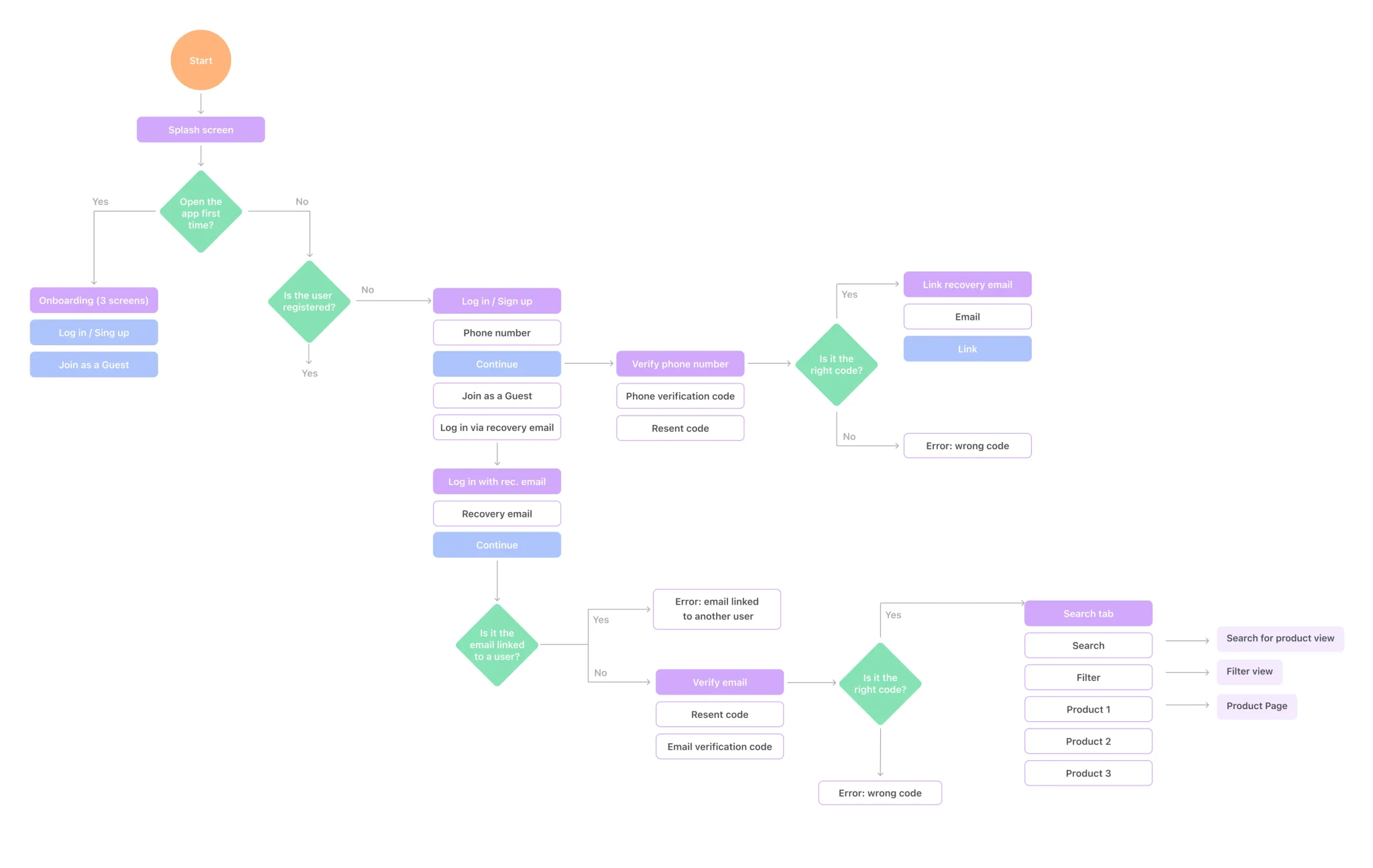
After building a solid understanding of the problem and the end-user, I move into ideation and planning. This phase is about brainstorming, sketching, and strategizing. The goal of this phase is to end with clear sketches, wireframes, and task flows that I will use to design high-fidelity screens and build out prototypes for early validation.
• Brainstorming Ideas
• Visual UI Moodboard
• Rough Sketches
• Wireframes
• Define Task Flows
After building a solid understanding of the problem and the end-user, I move into ideation and planning. This phase is about brainstorming, sketching, and strategizing. The goal of this phase is to end with clear sketches, wireframes, and task flows that I will use to design high-fidelity screens and build out prototypes for early validation.
• Brainstorming Ideas
• Visual UI Moodboard
• Rough Sketches
• Wireframes
• Define Task Flows
3. Design & Prototype
3. Design & Prototype
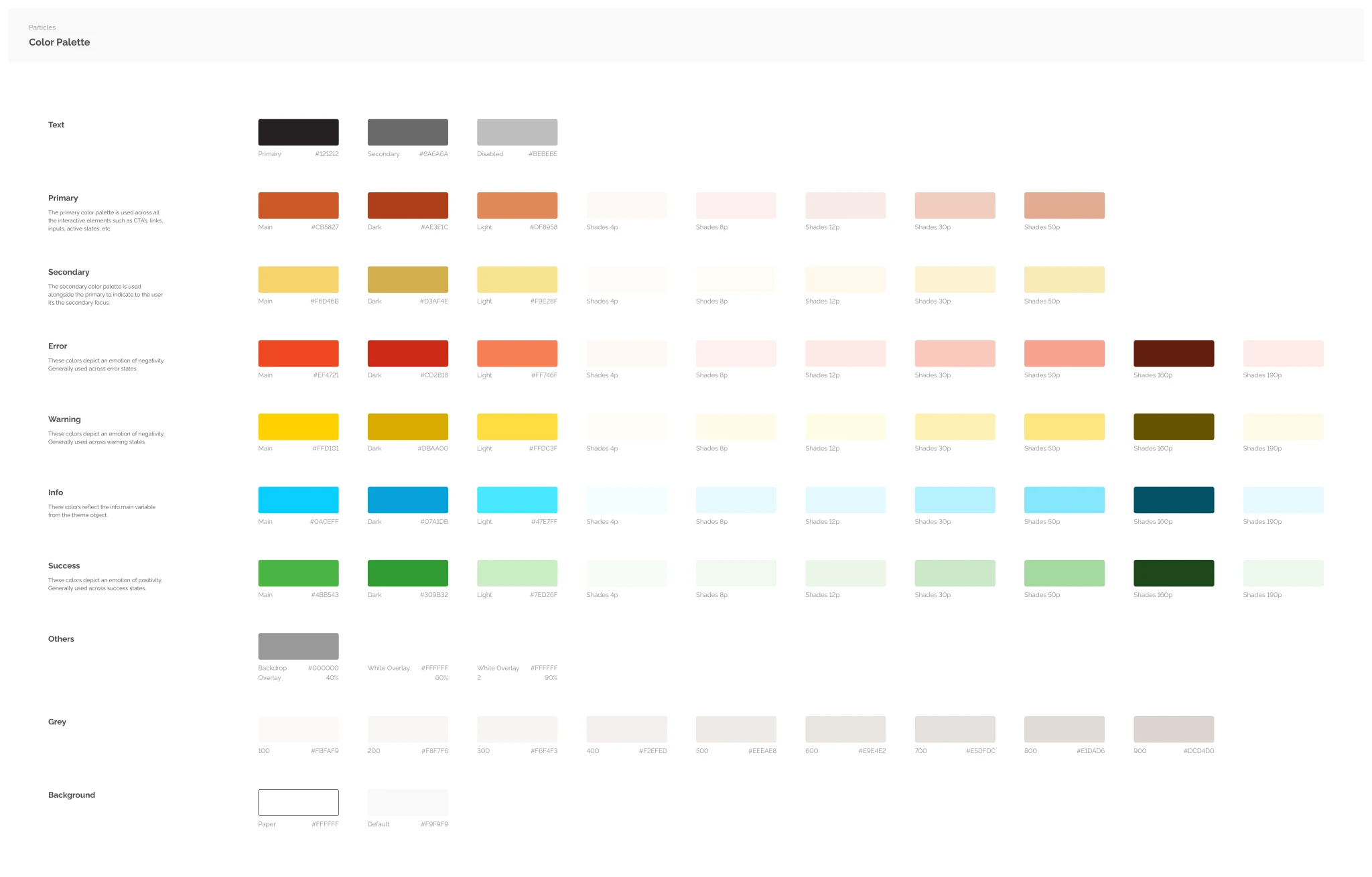
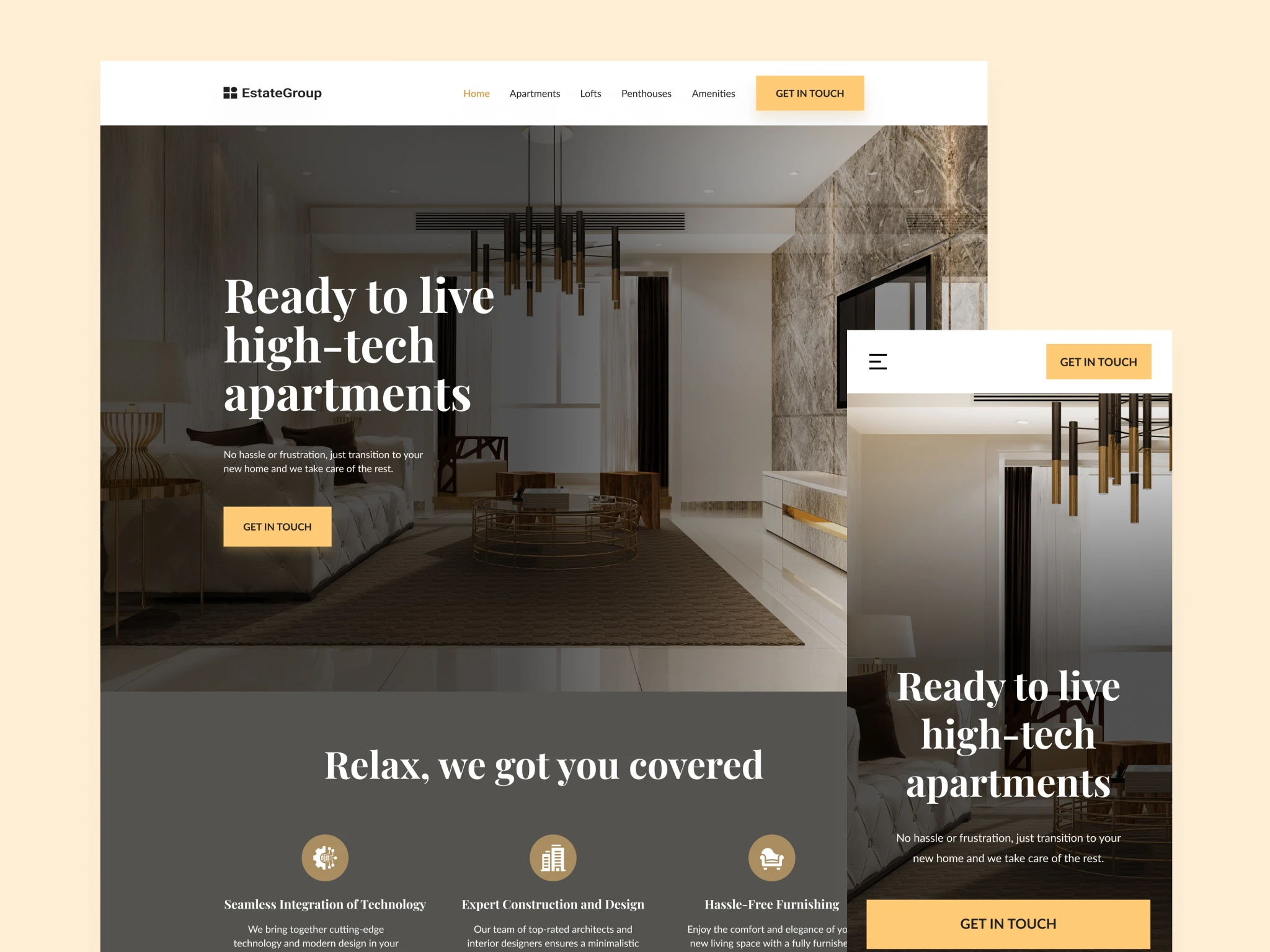
After brainstorming and prioritizing potential solutions, organizing the wireframes, and defining the user flows, I begin the visual UI design process. I’ll follow the task flow I created to design high-fidelity visuals for all essential screens in the flow. This will give me enough materials for rapid prototyping. During the design process, I’ll define the colors, typography, iconography, images, and other UI elements that will be used to create the overall design system.
• Figma
• Design Essential Screens
• Define Initial UI Elements
• Propose Visual Design
• Language
• Rapid Prototyping
After brainstorming and prioritizing potential solutions, organizing the wireframes, and defining the user flows, I begin the visual UI design process. I’ll follow the task flow I created to design high-fidelity visuals for all essential screens in the flow. This will give me enough materials for rapid prototyping. During the design process, I’ll define the colors, typography, iconography, images, and other UI elements that will be used to create the overall design system.
• Figma
• Design Essential Screens
• Define Initial UI Elements
• Propose Visual Design
• Language
• Rapid Prototyping
4. Evaluate
4. Evaluate
Using interactive prototypes (usually created in Figma) I’ll conduct frequent demos with Product Owners and key stakeholders to gather insight and early feedback. Once the team has gone through several rounds of iterations, we’ll set 1-on-1 user interviews to test our prototypes for early user feedback.
• Presentations to Product Owners
• Engeneers and Stakeholders
• Customer Demos
• Early Feedback
• Frequent Iterations
Using interactive prototypes (usually created in Figma) I’ll conduct frequent demos with Product Owners and key stakeholders to gather insight and early feedback. Once the team has gone through several rounds of iterations, we’ll set 1-on-1 user interviews to test our prototypes for early user feedback.
• Presentations to Product Owners
• Engeneers and Stakeholders
• Customer Demos
• Early Feedback
• Frequent Iterations

5. Develop
5. Develop
Once the designs are finalized and approved, I’ll work with engineers through an efficient hand-off process, delivering all assets with detailed instructions. It is my responsibility to ensure that the development team has a clear understanding of the design assets, interactions, and user flows.
• Hand-off to engineers (Figma)
• Meetings with Development Team
• Documentation, Links, Stories
• Engineer Support
• Quality Assurance
Once the designs are finalized and approved, I’ll work with engineers through an efficient hand-off process, delivering all assets with detailed instructions. It is my responsibility to ensure that the development team has a clear understanding of the design assets, interactions, and user flows.
• Hand-off to engineers (Figma)
• Meetings with Development Team
• Documentation, Links, Stories
• Engineer Support
• Quality Assurance

6. Usability Studies
6. Usability Studies
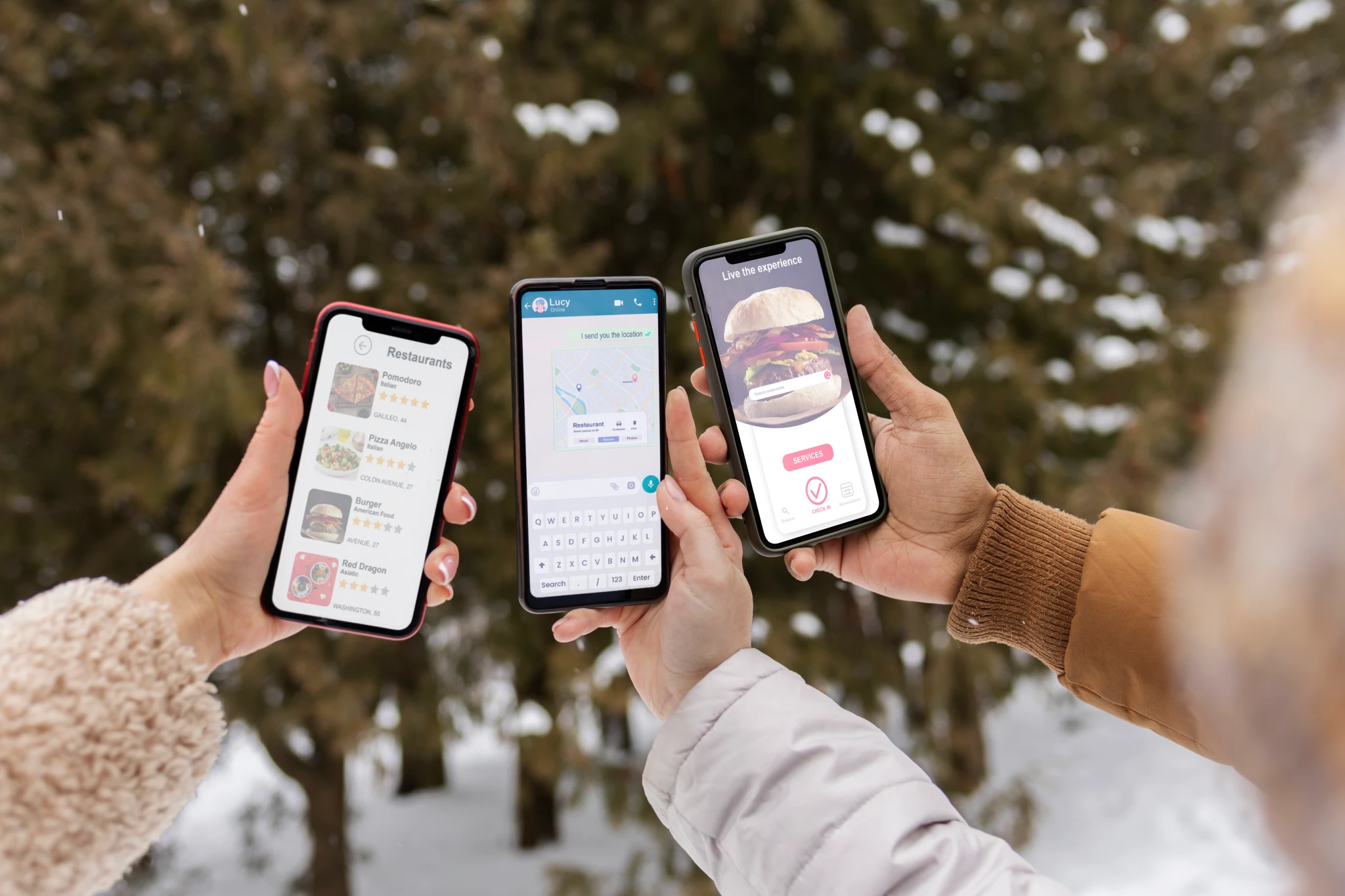
Before launching the product on a large scale, it is important to get it in front of the end-users. This can be done with interactive prototypes or production-ready demos. The scope of usability studies is to learn if we solved the initial problem and designed a great experience. Can users accomplish the task in a friendly manner, are there any bugs, are there any pain points left? With the new data collected, we can iterate and make adjustments accordingly.
• Usability Studies
• User Testing
• User Interviews
• Data collection
• Design Iteration
• Validation
Before launching the product on a large scale, it is important to get it in front of the end-users. This can be done with interactive prototypes or production-ready demos. The scope of usability studies is to learn if we solved the initial problem and designed a great experience. Can users accomplish the task in a friendly manner, are there any bugs, are there any pain points left? With the new data collected, we can iterate and make adjustments accordingly.
• Usability Studies
• User Testing
• User Interviews
• Data collection
• Design Iteration
• Validation
7. Launch
7. Launch
The job isn’t done unless we launch. I focus on working with the Product Development team closely to get the product out on the market on time. This includes kicking off design sprints, supporting scrum teams, conducting QA testing, and constantly communicating with engineers throughout the development process.
Releasing to a small target audience is common as it allows the team to gather data and feedback and learn before launching to a mass audience.
• Launch on time
• Release to a Small Audience
• Monitor and Gather Feedback
• Analyze Data
• Iterate for Further Release
The job isn’t done unless we launch. I focus on working with the Product Development team closely to get the product out on the market on time. This includes kicking off design sprints, supporting scrum teams, conducting QA testing, and constantly communicating with engineers throughout the development process.
Releasing to a small target audience is common as it allows the team to gather data and feedback and learn before launching to a mass audience.
• Launch on time
• Release to a Small Audience
• Monitor and Gather Feedback
• Analyze Data
• Iterate for Further Release